Margaret River Caves and Nature: Exploring Ancient Underground Wonders
Beneath the sun-drenched vineyards and pristine beaches of Margaret River lies an extraordinary underground world millions of years in the making. The Leeuwin-Naturaliste Ridge contains over 150 limestone caves, featuring spectacular stalactites, stalagmites, flowstones, and crystal formations that rank among Australia's most impressive natural wonders. Combined with ancient forests, diverse wildlife, and one of Earth's 36 biodiversity hotspots, Margaret River offers nature experiences that complement its famous wine and surf.
The Geology of Margaret River Caves
The caves of Margaret River formed over millions of years as slightly acidic rainwater slowly dissolved the limestone bedrock of the Leeuwin-Naturaliste Ridge. This ridge, composed of ancient granite overlaid with younger limestone, runs the length of the Margaret River peninsula and contains one of Australia's highest concentrations of caves.
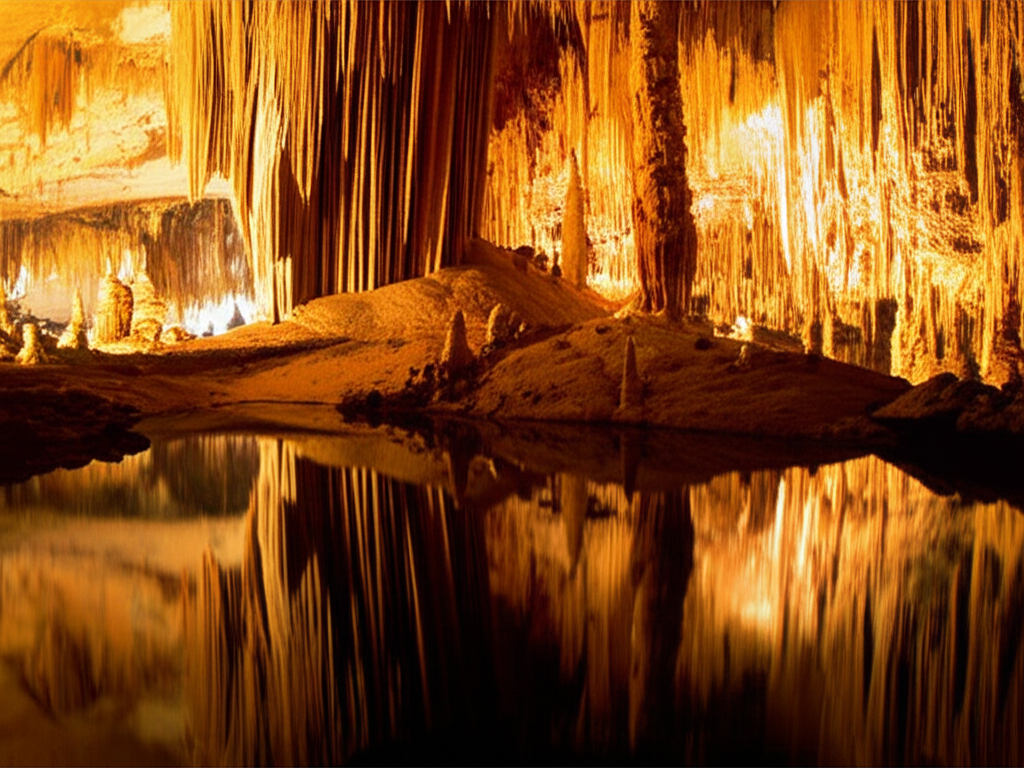
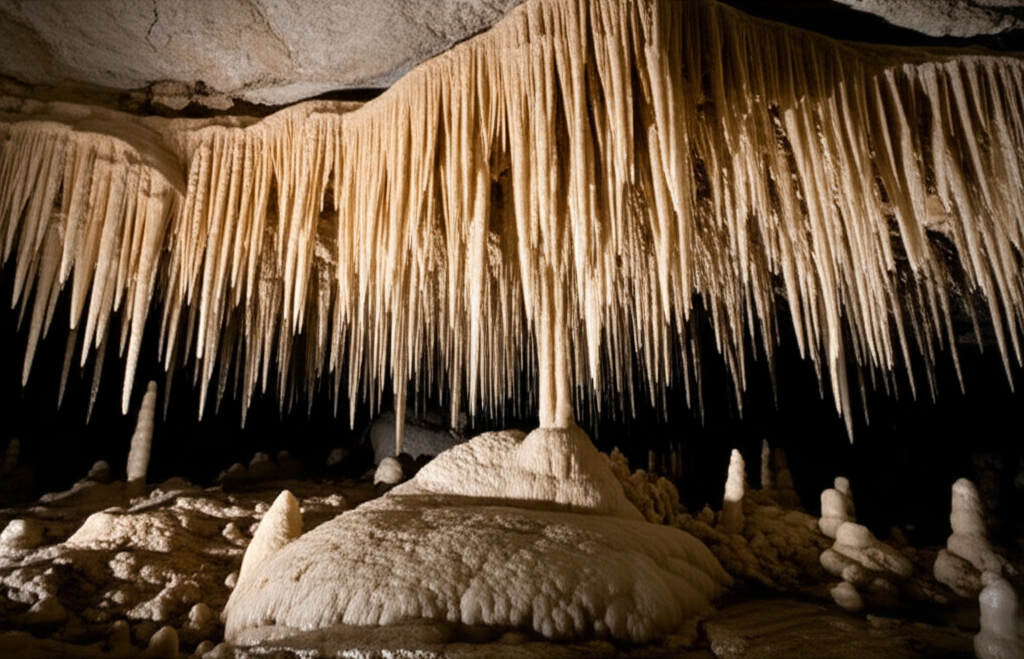
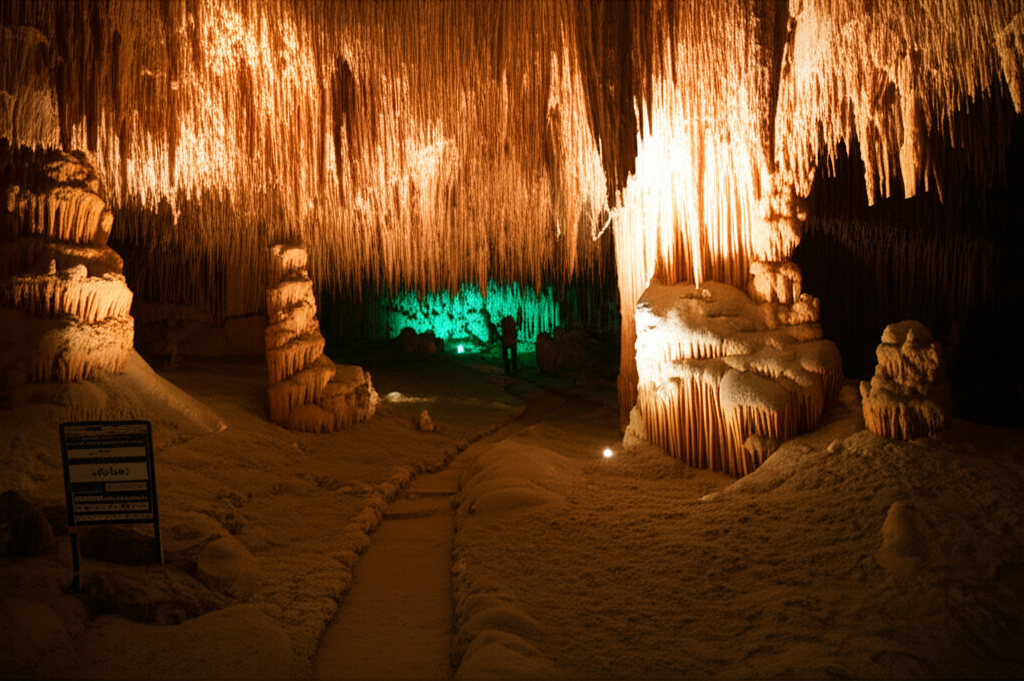
The formation process continues today, with mineral-rich water still dripping through the caves and depositing microscopic layers of calcite that gradually build the spectacular formations visitors admire. Stalactites hang from ceilings like stone icicles, while stalagmites rise from cave floors where water droplets land. Where these formations meet, columns form that can reach several meters in diameter after millennia of growth.
Show Caves: Guided Underground Adventures
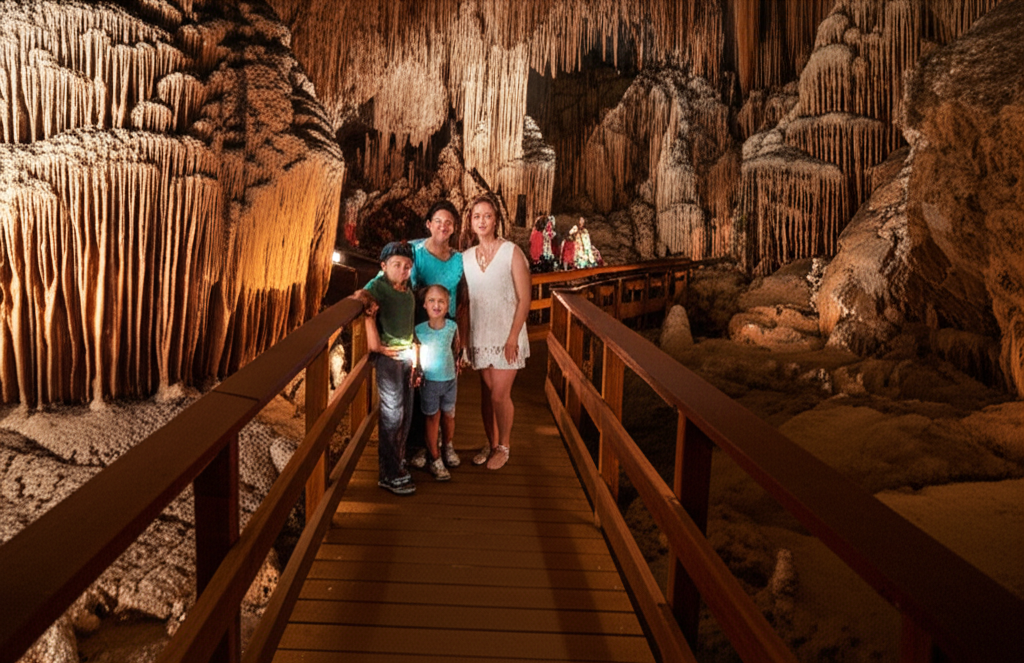
Jewel Cave stands as Western Australia's largest show cave and arguably its most spectacular. The cave's three massive chambers contain some of the longest straw stalactites found in any tourist cave worldwide—delicate hollow tubes of calcite that can reach several meters in length yet break at the slightest touch. Expert guides lead visitors through this underground cathedral, illuminating formations with dramatic lighting that reveals their full beauty.
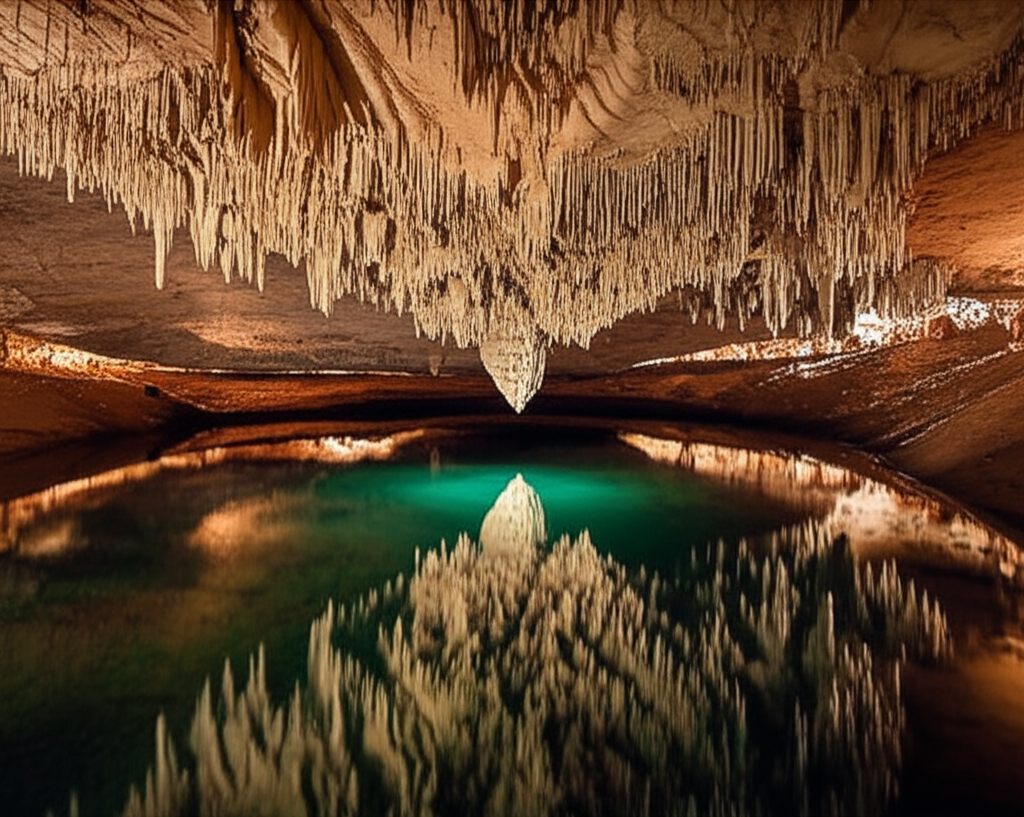
Lake Cave offers perhaps Margaret River's most magical underground experience. Visitors descend through a sinkhole into a chamber containing a pristine underground lake whose still waters create perfect reflections of the formations above. The centrepiece—the Suspended Table—appears to float above the water's surface, a massive calcite formation balanced impossibly on a slender column. The cave's intimate scale and extraordinary reflections create an atmosphere of almost spiritual tranquility.
Mammoth Cave combines geological splendour with paleontological significance. Self-guided audio tours allow visitors to explore at their own pace while learning about the fossil remains of ancient Australian megafauna discovered within. These fossils, including the massive Zygomaturus (a wombat-like creature the size of a rhinoceros), provide glimpses of the remarkable animals that once roamed this region.
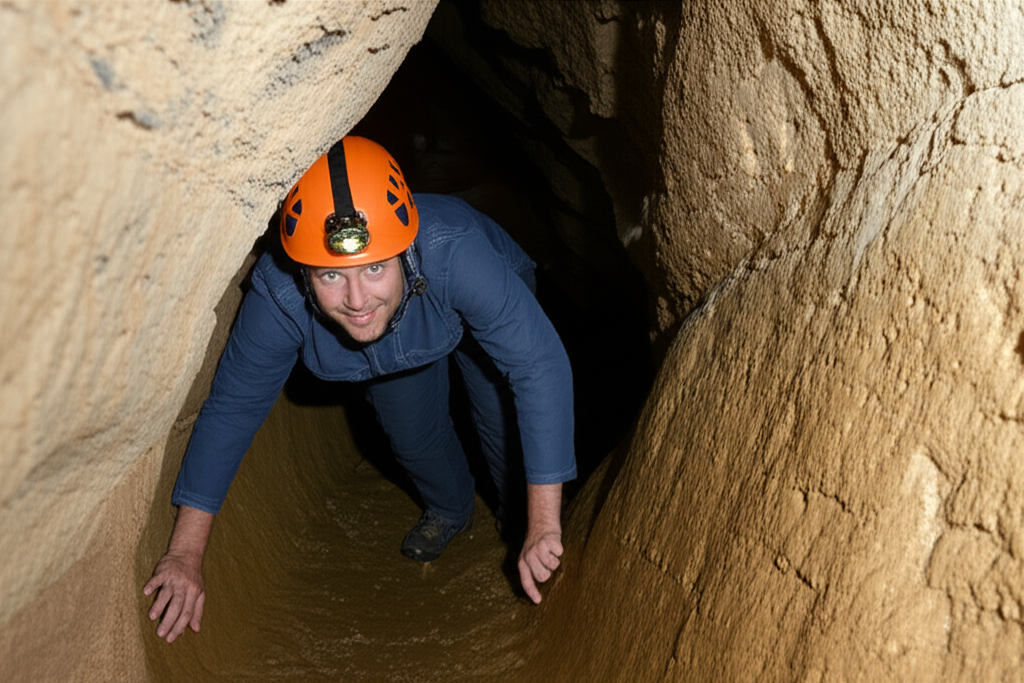
Ngilgi Cave holds deep cultural significance for the Wadandi people, the traditional owners of this region. The cave's name and associated Dreamtime stories connect visitors with thousands of years of Indigenous history while stunning formations provide visual spectacle. Adventure caving options allow visitors to explore beyond the tourist paths, squeezing through tight passages and discovering hidden chambers.
Adventure Caving Experiences
For those seeking more active underground adventures, Margaret River offers caves that require helmets, torches, and a willingness to get dirty. Giants Cave provides a challenging 2-3 hour self-guided experience through chambers and passages that require scrambling, ducking, and careful navigation. The sense of discovery as you explore with only your headlamp for illumination creates genuine adventure that more developed show caves cannot match.
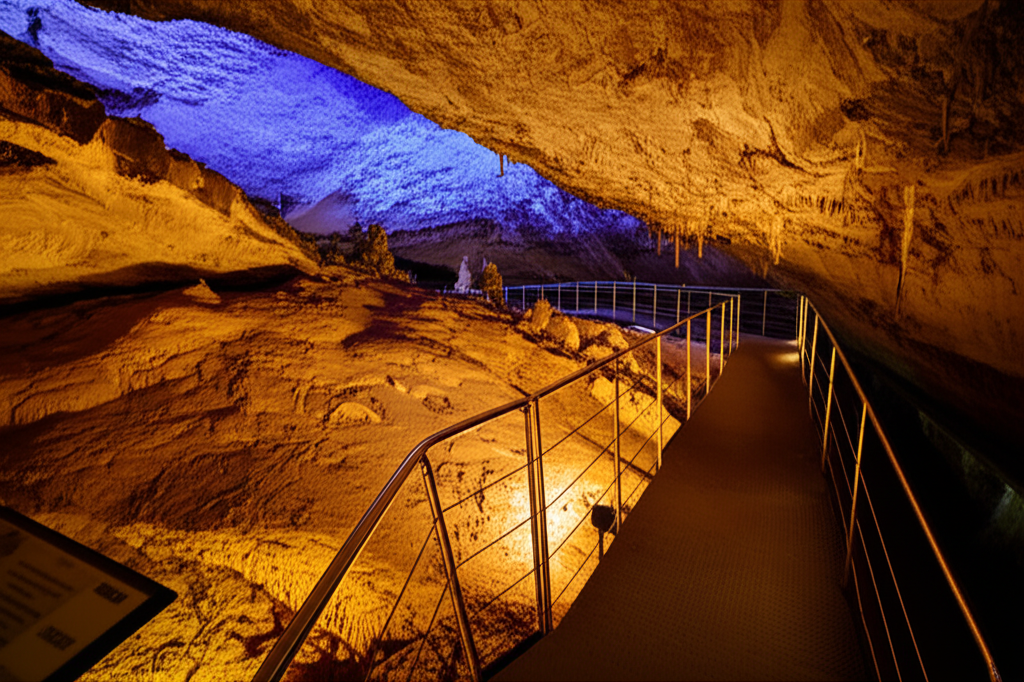
Calgardup Cave offers a more accessible adventure caving experience with free entry and a boardwalk that penetrates deep into the cave system. While less developed than commercial show caves, Calgardup provides an authentic caving experience perfect for families and those new to underground exploration.
Ancient Forests and Towering Trees
Above ground, Margaret River's forests provide equally impressive natural spectacles. The region marks the northern extent of the karri forest—home to one of the world's tallest tree species, with specimens reaching over 80 meters in height. Walking through these ancient forests, where shafts of sunlight pierce the canopy and the air carries the distinctive scent of eucalyptus, connects visitors with ecosystems that have existed for millions of years.
The Cape to Cape Track traverses diverse forest environments as it winds along the coast, from coastal heath through peppermint woodlands to towering karri stands. Shorter walks in Boranup Forest offer easy access to karri giants, with several walks graded for different fitness levels and time constraints.
Biodiversity Hotspot
The south-west corner of Western Australia, including the Margaret River region, has been designated one of Earth's 36 biodiversity hotspots—areas featuring exceptional concentrations of endemic species facing significant habitat loss. This designation places Margaret River's natural environments in the same conservation category as Madagascar's rainforests and the Mediterranean Basin.
Over 8,000 plant species occur in this region, with more than half found nowhere else on Earth. During spring (August-November), wildflower displays transform the landscape with carpets of colour that attract nature enthusiasts from around the world. Orchids, banksias, hakeas, and countless other species bloom in succession, creating constantly changing tapestries of form and colour.
The region's birdlife proves equally diverse, with over 200 species recorded including several found only in south-western Australia. The red-winged fairy-wren, western spinebill, and red-capped parrot number among the regional specialties that attract birdwatchers, while more common species like laughing kookaburras and rainbow lorikeets provide constant entertainment.
Wildlife Encounters
Native mammals, though often secretive, reward patient observers with memorable encounters. Western grey kangaroos graze in forest clearings at dawn and dusk, while possums become active after dark. The region supports populations of quendas (southern brown bandicoots) and woylies (brush-tailed bettongs)—small marsupials that have declined elsewhere but persist in protected areas around Margaret River.
Marine wildlife adds another dimension to nature experiences. Whale watching during the June-December migration season offers spectacular encounters with humpback and southern right whales, while dolphins, seals, and sea lions appear year-round along the coast.
Conservation and Sustainable Tourism
Margaret River's natural attractions operate under strict conservation guidelines that protect these fragile environments while allowing visitors to experience their wonders. Cave lighting systems are carefully designed to prevent algae growth that could damage formations, while visitor numbers are managed to minimise impact on sensitive ecosystems.
Many local tourism operators have embraced sustainable practices, from carbon-neutral cave tours to wildlife watching operations that prioritise animal welfare over close encounters. By choosing responsible operators and following guidelines, visitors help ensure these natural wonders remain for future generations to enjoy.
Planning Your Nature Experience
A comprehensive exploration of Margaret River's natural attractions requires several days, though even a single cave visit provides lasting memories. Combining underground adventures with forest walks, wildlife watching, and coastal exploration reveals the full diversity of this remarkable region.
Cave tours operate throughout the day with various start times, making it easy to combine underground exploration with visits to nearby wineries, beaches, and restaurants. Multi-cave passes offer savings for those planning to visit several caves, while combined tickets covering caves and other attractions provide excellent value for comprehensive exploration.