Margaret River Wine Region: A Complete Guide to Western Australia's Premier Wine Destination
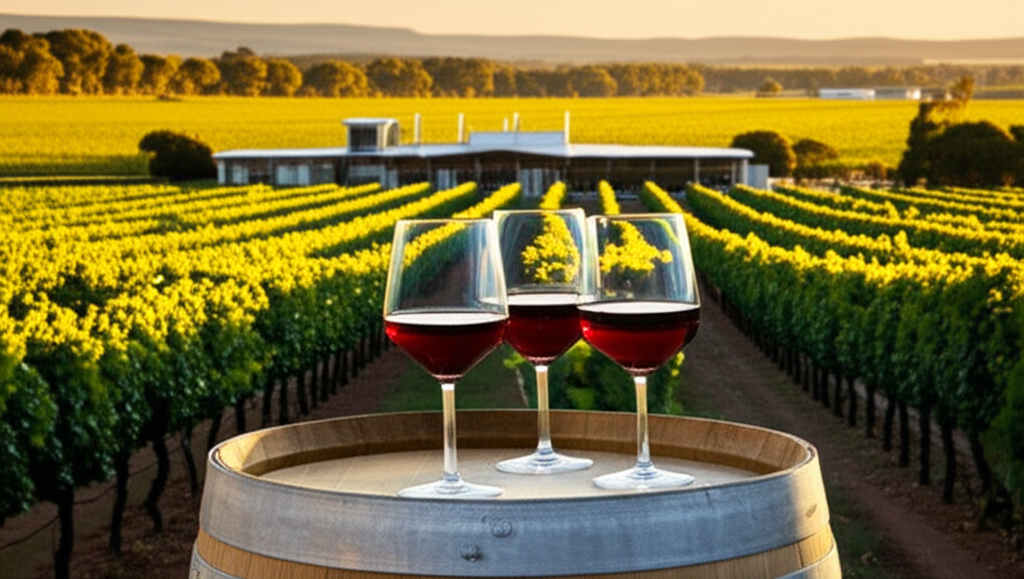
The Margaret River wine region stands as one of Australia's most prestigious wine-producing areas, renowned globally for crafting exceptional Cabernet Sauvignon, Chardonnay, and the distinctive Semillon Sauvignon Blanc blends that have become the region's signature. Located in the south-west corner of Western Australia, this remarkable wine region produces over 20% of Australia's premium wines while representing just 3% of the nation's total wine production—a testament to the extraordinary quality that defines Margaret River wines.
History of Margaret River Wine
The Margaret River wine story began in 1967 when Dr. Tom Cullity planted the first commercial vineyard at Vasse Felix, forever changing the agricultural landscape of the region. Cullity's pioneering vision was supported by research from Dr. John Gladstones, who identified the region's remarkable similarity to Bordeaux in terms of climate, latitude, and maritime influence. Within a decade, other visionary winemakers followed, establishing estates that would become icons of Australian wine including Moss Wood, Cullen Wines, and Cape Mentelle.
Today, the region hosts over 200 wineries, ranging from small boutique operations producing just a few hundred cases annually to large estates with international distribution. Despite this growth, Margaret River has maintained its commitment to quality over quantity, with most wineries focusing on premium and ultra-premium wine production.
Climate and Terroir
Margaret River's Mediterranean climate provides ideal grape-growing conditions, with warm dry summers and mild wet winters. The region's unique geography—a narrow peninsula bounded by the Indian Ocean to the west and south—creates a maritime influence that moderates temperature extremes. Summer temperatures rarely exceed 32°C, while winter nights seldom drop below 8°C, allowing grapes to ripen slowly and develop complex flavours while retaining natural acidity.
The terroir varies significantly across the region, with ancient granite and gneiss soils in some areas contrasting with younger limestone and loam in others. This diversity allows winemakers to match grape varieties to optimal soil types, contributing to the distinctive character of wines from different estates. The famous "gravel loam over clay" soils found in many premium vineyards provide excellent drainage while retaining sufficient moisture to sustain vines through the dry summer months.
Signature Grape Varieties
Cabernet Sauvignon reigns as Margaret River's most celebrated variety, producing wines of remarkable structure, elegance, and longevity. The region's Cabernets are characterised by intense blackcurrant and cassis flavours, fine-grained tannins, and subtle notes of eucalyptus and bay leaf that reflect the surrounding native bushland. Top producers like Moss Wood, Cullen Wines, and Woodlands consistently produce Cabernets that rival the finest from Bordeaux and Napa Valley.
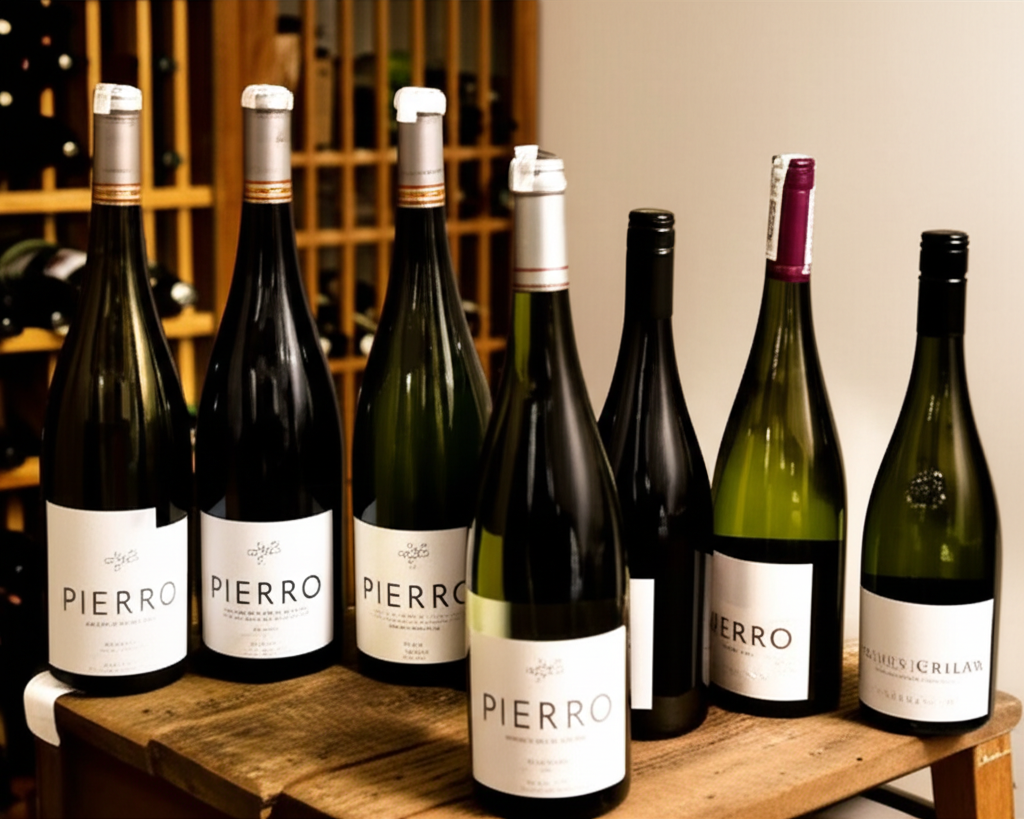
Chardonnay represents the region's other world-class variety, with Margaret River examples displaying the perfect balance between fruit intensity and elegant restraint. Leeuwin Estate's Art Series Chardonnay has achieved legendary status, while Pierro and Cullen produce Chardonnays that regularly appear on lists of Australia's finest white wines.
The classic Margaret River white blend—Semillon Sauvignon Blanc—showcases the region's ability to create unique wine styles. This blend combines the textural richness and aging potential of Semillon with the aromatic intensity and crisp acidity of Sauvignon Blanc, resulting in wines that are both immediately appealing and capable of developing complexity over several years in bottle. Cape Mentelle and Vasse Felix produce benchmark examples of this regional specialty.
Cellar Door Experiences
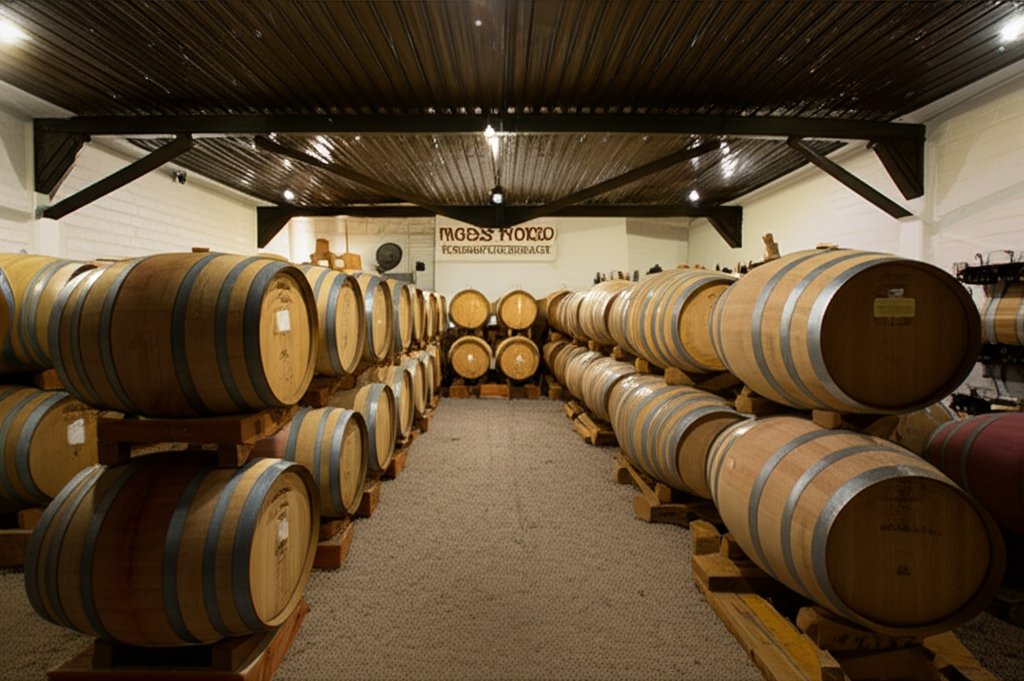
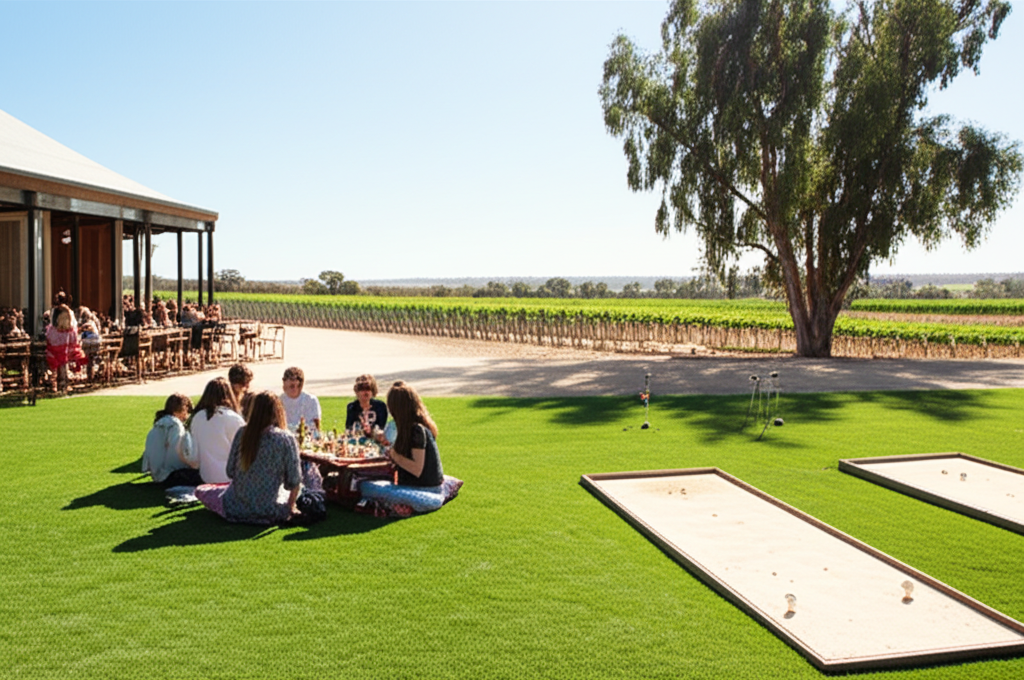
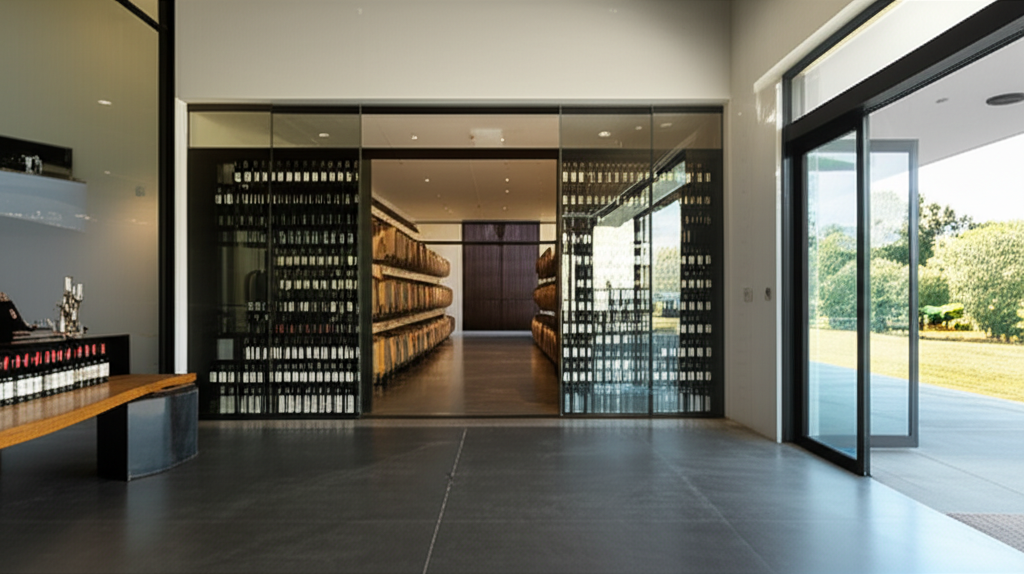
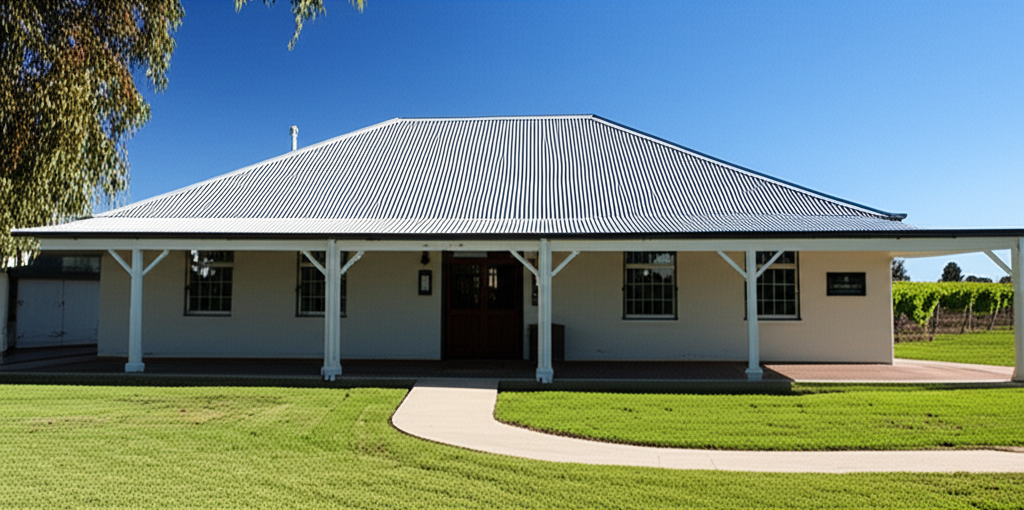
Margaret River's cellar doors offer some of Australia's finest wine tourism experiences. Unlike some wine regions where tastings feel rushed or impersonal, Margaret River wineries pride themselves on providing intimate, educational experiences where visitors can learn about winemaking while sampling exceptional wines. Many estates offer seated tastings, vertical tastings of multiple vintages, and behind-the-scenes tours of winemaking facilities.
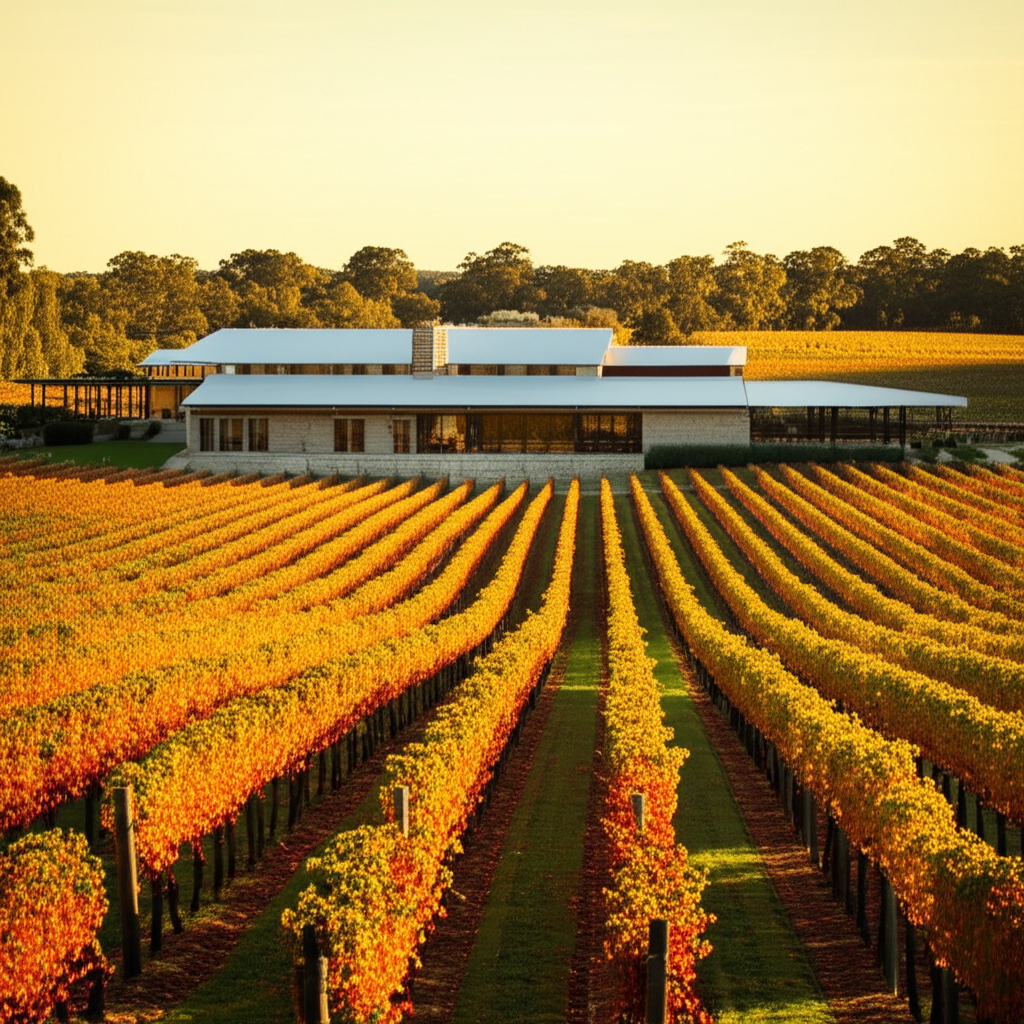
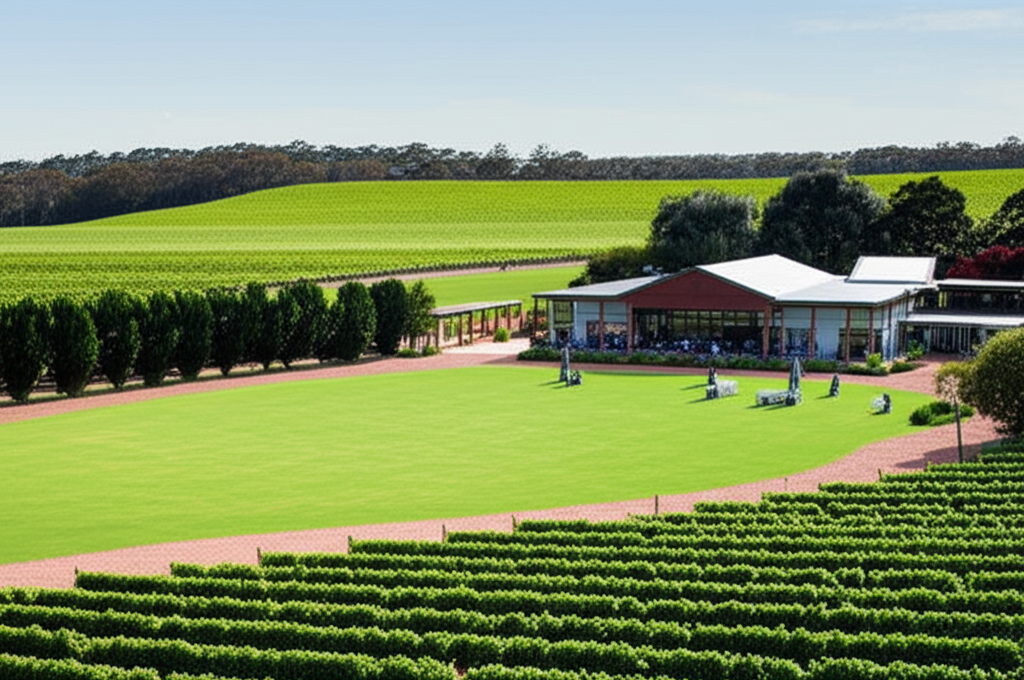
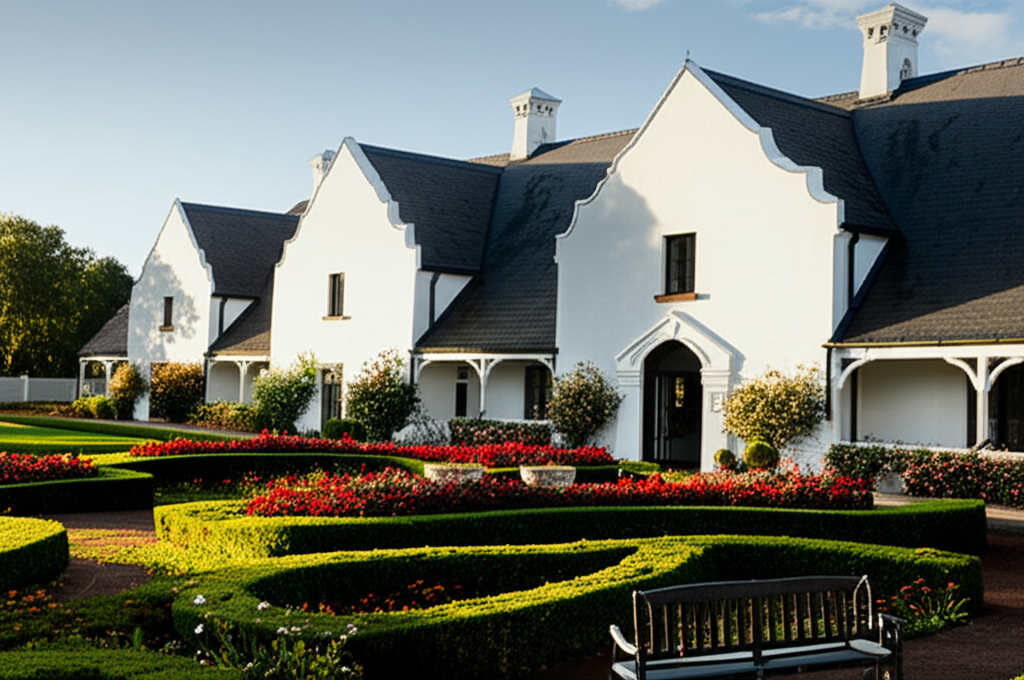
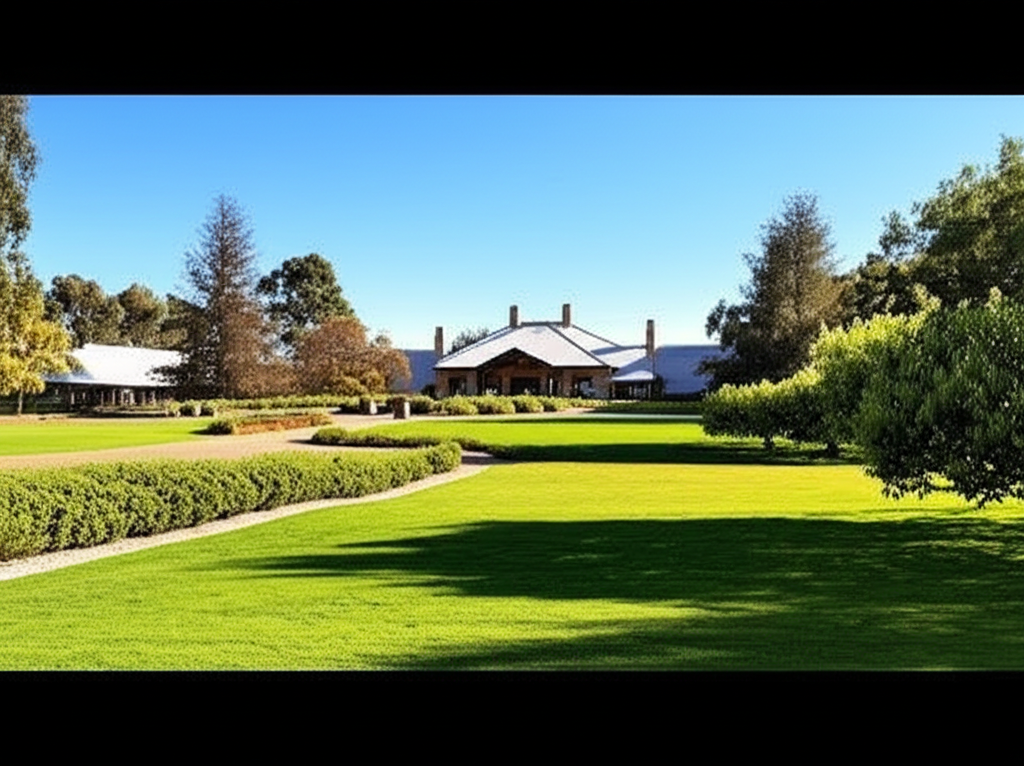
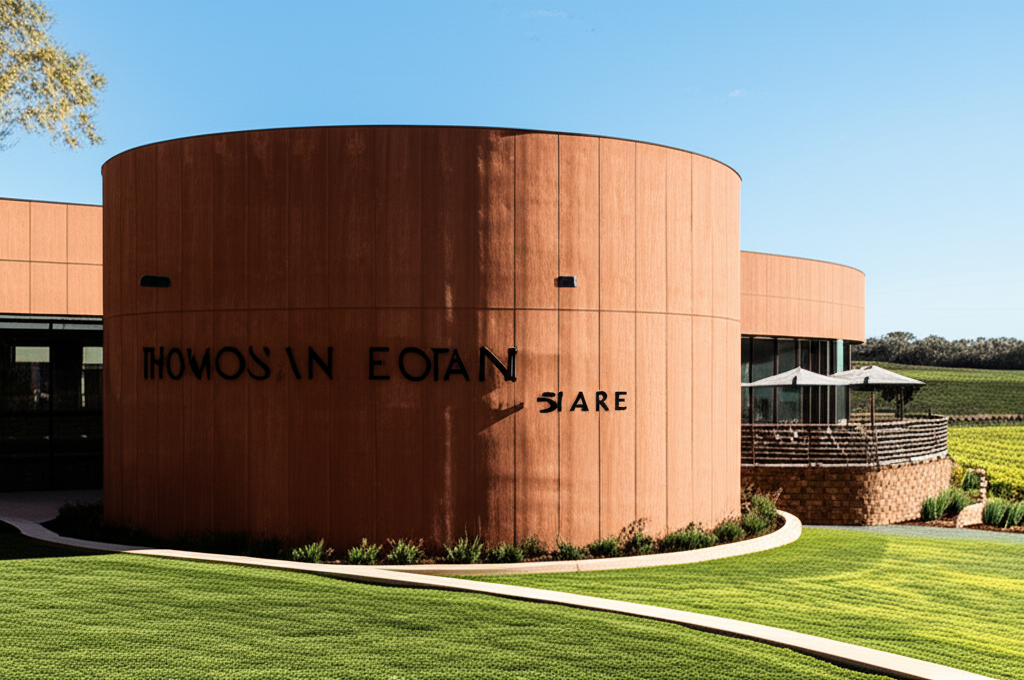
Several wineries have expanded beyond wine to create complete destination experiences. Voyager Estate features magnificent Cape Dutch architecture surrounded by formal gardens, while Leeuwin Estate combines world-class wines with an acclaimed art gallery and restaurant. Vasse Felix offers a contemporary art collection alongside its celebrated wines, and Thompson Estate showcases award-winning rammed-earth architecture.
Wine and Food Pairing
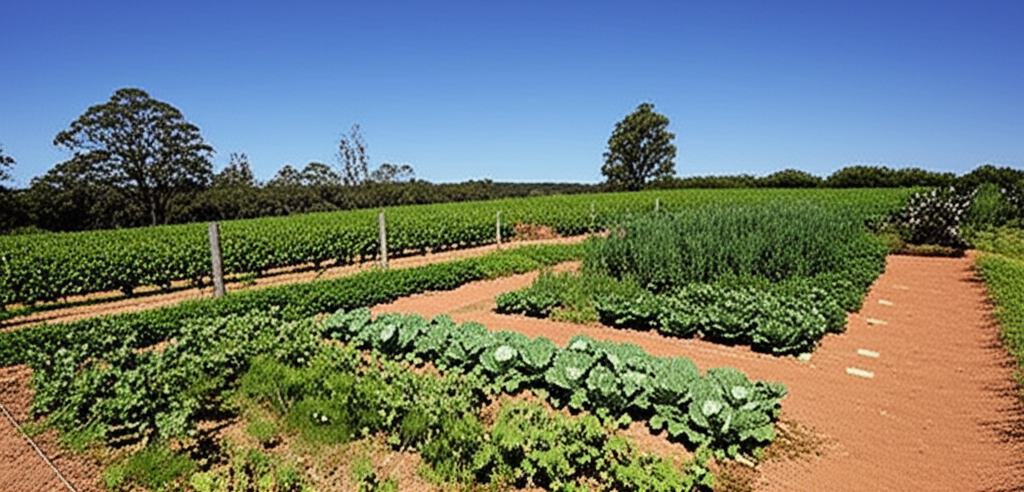
The marriage of exceptional wine and outstanding cuisine defines the Margaret River experience. Many wineries operate acclaimed restaurants where dishes are crafted specifically to complement their wines. The region's fertile soils and clean environment support thriving agricultural industries, providing local chefs with premium beef, lamb, olive oil, cheese, and seasonal produce.
The farm-to-table philosophy permeates Margaret River dining, with restaurants like those at Leeuwin Estate, Vasse Felix, and Voyager Estate showcasing the synergy between regional wines and locally sourced ingredients. During winter, truffle season adds another dimension to the culinary calendar, with several estates offering special truffle-focused menus paired with aged wines from their cellars.
Sustainable and Biodynamic Winemaking
Margaret River has emerged as a leader in sustainable and biodynamic winemaking. Cullen Wines became Australia's first carbon-positive winery and has practiced biodynamic viticulture since 2004, demonstrating that environmental responsibility and wine quality go hand in hand. Many other estates have followed this lead, implementing organic and sustainable practices that protect the region's pristine environment while producing wines of exceptional purity and expression.
Planning Your Wine Tour
With over 200 wineries to choose from, planning a Margaret River wine tour requires some strategic thinking. Most visitors find that visiting 4-6 wineries per day allows sufficient time to appreciate each experience without feeling rushed. Consider mixing large, well-known estates with smaller boutique producers to experience the full spectrum of Margaret River wine.
Wine tour operators offer guided experiences that include transportation, allowing visitors to taste freely without driving concerns. Alternatively, self-drive tours provide flexibility to explore at your own pace. The region's compact geography means that even far-flung wineries are rarely more than 30 minutes apart, making it easy to combine wine tasting with visits to beautiful beaches, ancient caves, and other attractions.
Whether you're a serious wine collector seeking rare vintages or a curious newcomer eager to learn, Margaret River's welcoming cellar doors offer experiences that educate, inspire, and delight. The region's combination of world-class wines, stunning scenery, and warm hospitality creates memories that last long after the last bottle has been opened.